What Is Religious Trauma Syndrome? Signs, Symptoms & How to Heal
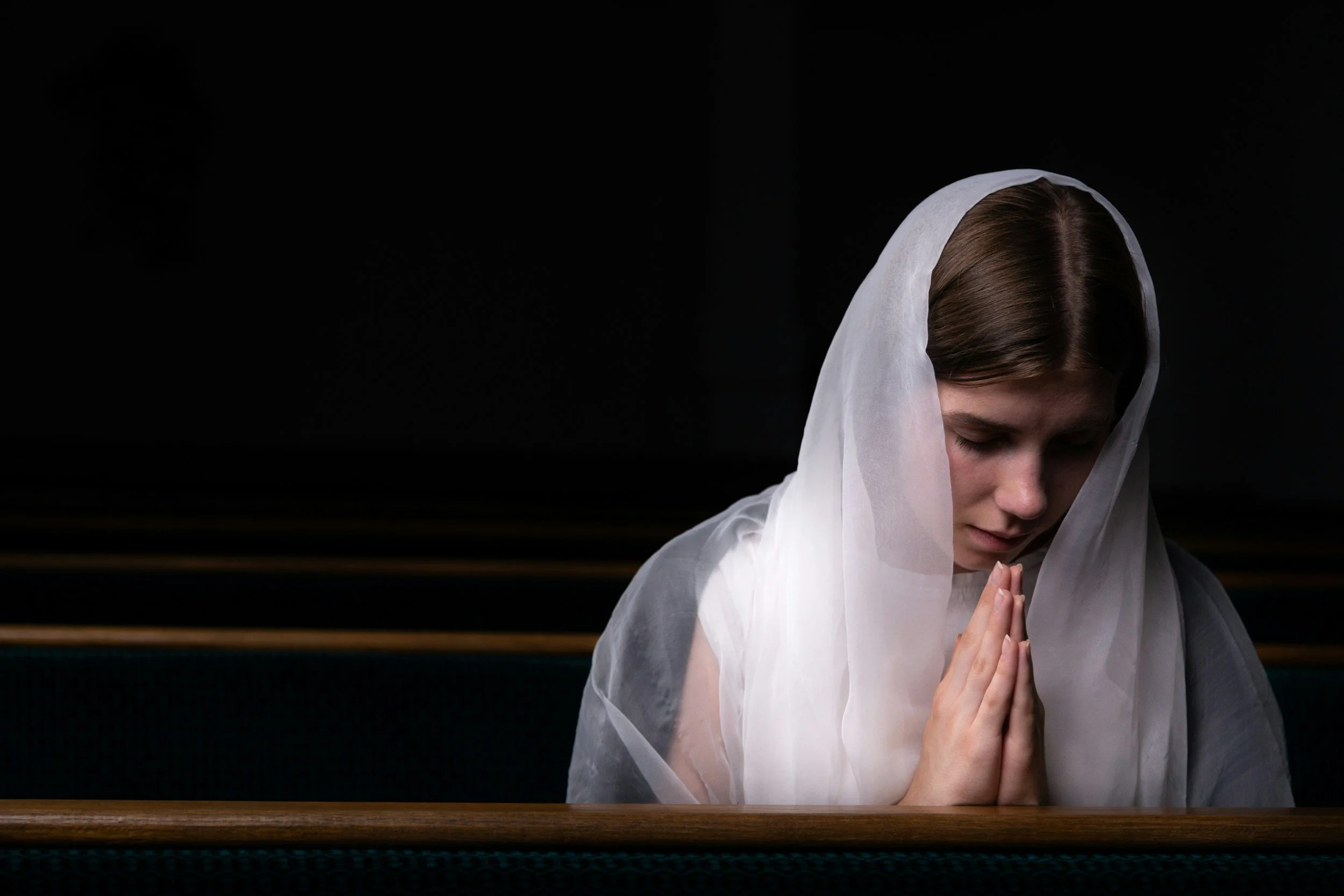
You’ve left the religion. Or maybe you’re still in it, but something has fractured. Either way, something feels deeply wrong and you can’t quite explain it to the people around you.
You might be experiencing Religious Trauma Syndrome. And the fact that you’ve never heard that term before doesn’t mean it isn’t real.
What Is Religious Trauma Syndrome?
Religious Trauma Syndrome (RTS) is a term coined by psychologist Dr. Marlene Winell to describe the psychological harm that can result from involvement in authoritarian, high-control, or abusive religious environments. It is not yet a formal clinical diagnosis, but its symptoms are very real, and very treatable.
RTS can develop in people who experienced:
Spiritual abuse by religious leaders or authority figures
Shame-based teachings about sexuality, gender, or identity (including purity culture)
High-control or cult-like religious communities
Excommunication, shunning, or rejection for questioning or leaving
The painful process of faith deconstruction – having beliefs you built your life around begin to collapse
Being raised in a closed religious system, such as certain sects of Mormonism, Jehovah’s Witnesses, fundamentalist Christianity, or other high-control groups
It can affect people who have left their faith entirely, people who are still practicing, and people who left decades ago but carry the weight of it still.
What Does Religious Trauma Syndrome Look Like?
RTS can show up differently for different people, but common signs include:
Persistent anxiety, panic, or a sense of impending doom
Depression, numbness, or a profound sense of grief and loss
Intrusive thoughts, nightmares, or hypervigilance (particularly around religious themes)
Difficulty trusting yourself – your decisions, emotions, or judgment
Deep shame around your body, sexuality, or identity
A fear of hell, divine punishment, or being spiritually “beyond repair”
Confusion about your values, identity, or sense of meaning
Isolation, especially if leaving your faith meant losing your community
Anger – at the institution, at God, at yourself, at the people who raised you in it
If several of these resonate, you are not alone. And you are not broken. What you’re experiencing is a normal response to an abnormal amount of psychological harm.
Why Does It Last So Long?
Religious trauma is uniquely persistent because it doesn’t just affect what you believe, it shapes how you think, how you relate to others, and how you understand your own worth.
When those messages are absorbed in childhood before you had the capacity to evaluate or question them, they become woven into your nervous system. They show up as automatic reactions, not conscious beliefs. That’s why leaving the religion doesn’t automatically make the trauma disappear.
Your mind and body may still be operating under rules you no longer consciously hold.
How Does Religious Trauma Therapy Help?
Effective treatment for Religious Trauma Syndrome goes beyond talk therapy. It addresses the trauma in the nervous system where it’s stored.
In my therapy practice, I work with religious trauma survivors using:
EMDR (Eye Movement Desensitization and Reprocessing) to process the specific memories, beliefs, and experiences that carry the most distress
Relational Psychodynamic Therapy to understand how religious systems shaped your identity and relational patterns
Internal Family Systems (IFS) to compassionately explore the parts of you that are still living under those old rules
Attachment-based approaches to heal the relational wounds that come from being raised in environments where love felt conditional
Healing from religious trauma is not about deciding what to believe. It’s about reclaiming who you are outside of what you were told to be.
You Deserve Support That Actually Understands This
Not every therapist is equipped to work with religious trauma. This is a specialized area that requires both clinical skill and cultural fluency – an understanding of how high-control religious systems operate, and what it actually costs a person to leave one.
I bring both. I grew up in an LDS (Mormon) community in a very conservative Christian denomination, spent years in pastoral ministry, and navigated my own faith deconstruction. I understand this territory from the inside, and I’ve spent my career building a practice devoted to helping people heal from it.
If you’re looking for a religious trauma therapist in Seattle or Phoenix, I’d love to connect.
You don’t have to keep carrying this alone.
I offer a free 15-minute consultation so we can talk about what you’re experiencing and whether working together feels like a good fit.
ABOUT THE AUTHOR
Kelsey Laulainen (she/her) is a licensed psychotherapist in Arizona, specializing in religious trauma, spiritual abuse, and faith deconstruction. She works with women and gender-nonconforming adults in Arizona and Washington.